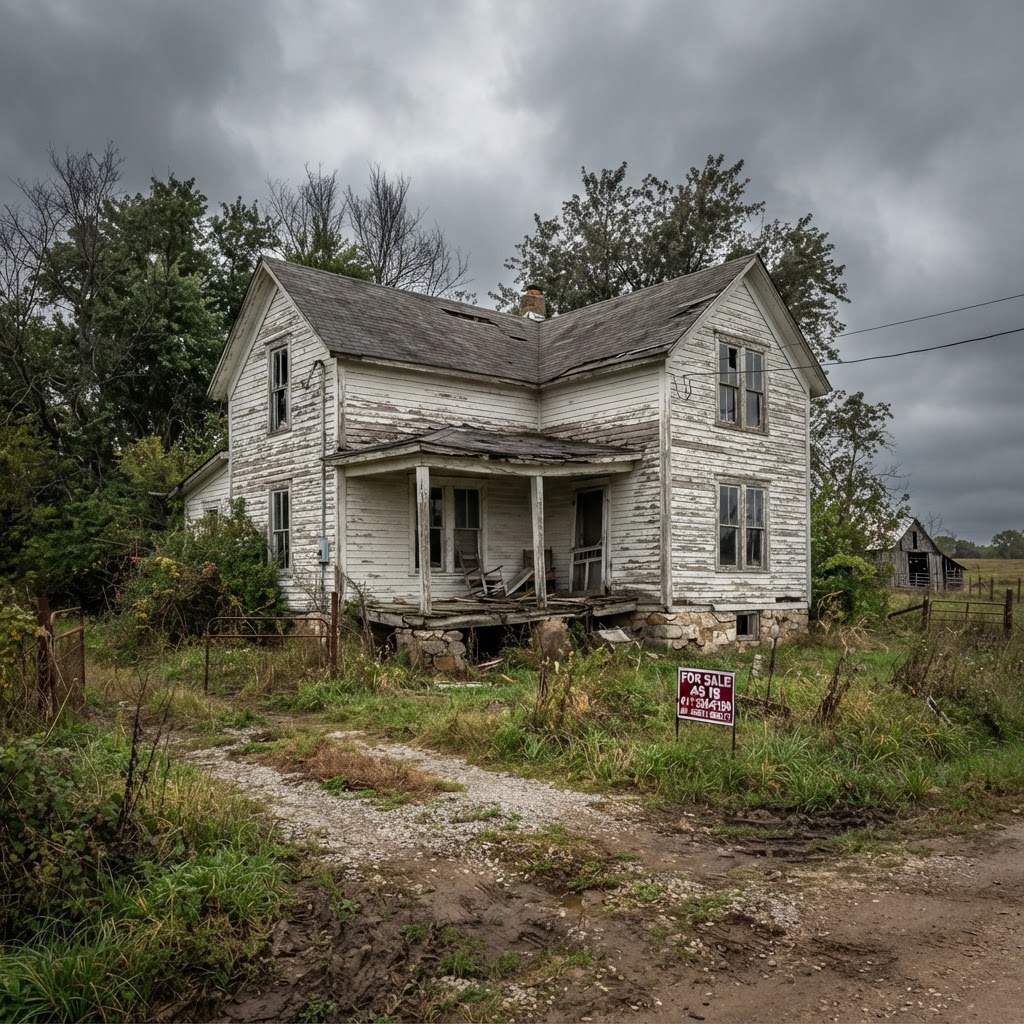
Understanding Missouri Property Disclosure Laws When Selling a House As-Is
Selling a home in the St. Louis metro area can be a complex process, especially when you are dealing with an older property or one that requires significant maintenance. Many homeowners in neighborhoods like Florissant or University City choose to sell their properties as-is to avoid the stress and expense of major renovations. However, a common misconception exists that selling as-is exempts a seller from all transparency requirements. In reality, Missouri property disclosure laws when selling a house as-is still require a level of honesty regarding the condition of the home. Navigating these rules is essential to ensure a smooth transition and to avoid potential legal disputes after the closing date. If you are feeling overwhelmed by the condition of your property, you can request a free, no-obligation cash offer to see how a direct sale might simplify your situation.
The Legal Foundation of Missouri Disclosures
Missouri is generally considered a caveat emptor state, which translates to buyer beware. This legal principle suggests that the buyer is responsible for performing their due diligence and inspecting the property before completing the purchase. However, this principle is not an absolute shield for sellers. Missouri courts and state statutes have carved out specific exceptions where sellers must proactively share information. The primary goal of these laws is to prevent fraud and ensure that buyers are not misled about significant, hidden problems that could affect the value or safety of the home.
Mandatory Disclosures Under Missouri Law
While Missouri does not have a single, universal disclosure form mandated by the state for every transaction, there are specific items that must be disclosed by law regardless of the as-is status. One of the most critical is the disclosure of methamphetamine production. According to Missouri Revised Statutes Section 442.606, if a property was ever used as a site for meth production, the seller must disclose this in writing to any potential buyer. This is a health and safety issue that cannot be ignored.
Another federally mandated requirement involves lead-based paint. Because many homes in St. Louis City and Kirkwood were built before 1978, sellers must comply with the EPA Lead Paint Disclosure Rules. This involves providing the buyer with an EPA-approved information pamphlet and disclosing any known lead-based paint hazards in the building. Failing to provide this information can lead to substantial federal penalties and legal liability.
What Does As-Is Truly Mean in St. Louis?
In a real estate contract, the term as-is means the seller is offering the property in its current state, with all existing faults and without any warranties or repairs. For homeowners in areas like Ballwin or Maryland Heights, this is often the preferred route when dealing with aging systems or outdated interiors. However, as-is does not mean that the seller can hide known defects. If a seller knows about a major issue that a buyer cannot easily see, such as a cracked foundation buried behind a finished basement wall, they have a legal obligation to disclose it.
This is particularly relevant when selling a house that needs major repairs. In these cases, the seller is explicitly stating they will not fix the roof, the HVAC, or the plumbing. By being upfront about these issues, the seller protects themselves from future claims that they misrepresented the home. Transparency is the best defense against a lawsuit for fraudulent concealment.
The Role of the Seller Disclosure Statement (DSC-8000)
Although state law is flexible on the format, most residential sales in Missouri utilize the Disclosure of Information on Residential Property form, often referred to as DSC-8000. This form is a comprehensive checklist covering everything from roof leaks and basement moisture to plumbing problems and electrical issues.
Even when selling as-is, many real estate professionals recommend completing this form honestly. It provides a clear paper trail showing that the buyer was informed of the property's condition. For instance, if you are selling a house in North County and you know the sewer lateral line is collapsed, listing that on the disclosure form ensures the buyer cannot later claim they were unaware of the defect.
Common Latent Defects in St. Louis Properties
A latent defect is a problem that is not discoverable by a standard, reasonable inspection. In the St. Louis region, certain types of latent defects are more common than others.
-
Foundation and Soil Issues. The high clay content in the soil throughout West County and St. Charles County can cause significant shifting. If you have experienced foundation movement or have had piers installed to stabilize the home, this must be shared with the buyer.
-
Sewer Lateral Problems. In older neighborhoods like University City, the clay sewer pipes are prone to root intrusion and collapse. Many sellers are unaware of these issues until a buyer performs a specialized sewer scope.
-
Radon Gas. Missouri has many areas with elevated radon levels. If you have had a radon test performed and the results were high, you should disclose those findings even if you have not installed a mitigation system.
-
Previous Water Damage. St. Louis weather can be unpredictable. If the basement flooded during a heavy rainstorm three years ago, that event should be noted, even if the basement has been dry since then.
Ready to Get a Cash Offer?
No repairs. No fees. No stress. We close in as little as 7 days.
Why Direct Cash Sales Simplify Disclosures
One of the primary reasons homeowners choose to work with Blue Land Homes is the simplified nature of the transaction. When you sell to a professional cash buyer, you are dealing with an entity that expects to purchase properties in need of work. We are experts at evaluating the condition of homes in the St. Louis area, from St. Charles to South County.
We understand how our cash home buying process works to minimize the stress on the seller. Because we conduct our own thorough assessments, the burden of disclosure is often less stressful than it would be when selling to a traditional family buyer using a bank loan. A traditional buyer might be scared off by a disclosure of foundation issues, whereas a cash buyer sees it as part of the project.
The Risks of Non-Disclosure
If a seller fails to follow Missouri property disclosure laws when selling a house as-is, the consequences can be severe. A buyer who discovers a significant, undisclosed defect after closing may sue for damages, rescission of the contract, or even punitive damages if fraud can be proven. In Missouri, a claim for fraudulent misrepresentation requires the buyer to prove that the seller knew about the defect, the defect was material to the value of the home, and the seller intentionally failed to disclose it to induce the buyer into the sale.
Defending a lawsuit in the St. Louis County courts is expensive and time-consuming. It is almost always better to be overly transparent during the sale process than to risk a legal battle years later. Even if you think a defect might lower your sale price, the cost of disclosure is usually much lower than the cost of a legal settlement.
Special Considerations for Inherited Properties
Many as-is sales in St. Louis involve inherited homes where the seller may have never lived in the property. In these instances, the seller might truly not know the condition of the home. Missouri law does not require you to disclose what you do not know. If you are selling a family home in Florissant that you have not visited in years, you can state that you have no knowledge of certain systems. However, any information you do have, perhaps from old maintenance records or conversations with family members, should still be shared.
How to Protect Yourself When Selling As-Is
To ensure you stay on the right side of the law while selling your Missouri home, follow these steps.
First, be honest about what you know. If the roof has leaked in the past, say so. If the furnace is thirty years old, say so. Second, encourage the buyer to perform their own inspections. In an as-is sale, the inspection is for the buyer's information only, as the seller has already stated they will not be making repairs. Third, use a written disclosure form. This provides a clear record of the information shared. Finally, consider a cash sale to an experienced local buyer.
We have deep roots in the community and we buy houses in St. Charles County and throughout the surrounding regions. We take the guesswork out of the process by buying homes exactly as they sit today.
Conclusion
Navigating Missouri property disclosure laws when selling a house as-is requires a balance of transparency and legal understanding. While the buyer beware principle provides some protection, it is not a license to conceal known defects. Whether you are selling a historic home in the city or a mid-century ranch in the suburbs, being upfront about the condition of your property is the best way to ensure a successful and stress-free closing. By understanding the mandatory requirements for lead paint and meth disclosures, and by accurately representing the state of the home's major systems, you can move forward with confidence. If the idea of disclosures and repairs is too much to handle, remember that there are options available to sell your property quickly without the traditional hassles of the open market.

Want to Sell Your Home for Cash?
Blue Land Homes is your local St. Louis cash buyer. We buy homes in any condition, in any situation. No repairs, no fees, no stress.
Blue Land Homes Team
Local cash home buyer serving the greater St. Louis metro area.