
Choosing the perfect home layout is one of the most crucial decisions when planning to build or renovate a home. A well-thought-out home layout can significantly impact your lifestyle, comfort, and overall satisfaction with your living space.
In this guide, we will explore how to select the best home layout for your needs, preferences, and family dynamics. Whether you’re after the best house layout ideas or looking for the ideal layout of your home, this article will provide the insights you need to make an informed decision.
Understanding the Importance of Home Layout
When it comes to the design of your home, the layout sets the foundation for how you will experience your space daily. From the number of rooms to the flow of movement between spaces, a home’s layout can influence everything from functionality to aesthetics.
A good house layout not only improves efficiency but also enhances your quality of life by providing spaces for family interaction, personal activities, and relaxation.
Factors to Consider When Choosing a Home Layout
Before settling on a layout, it’s important to evaluate several factors that will determine the best design for your lifestyle. Here are the key aspects to consider:
1- Lifestyle Needs Every individual or family has unique needs. Some may prioritize open spaces, while others might require a more segmented design with private rooms. Understanding how you live, entertain, and spend time at home will guide you toward the best house layout for your lifestyle.
2- Family Dynamics The size and composition of your family play a significant role in selecting the right home layout. For larger families, layouts with multiple bedrooms and bathrooms may be essential, while smaller families may prefer a more compact, open-plan design.
3- Functionality vs. Aesthetics While aesthetics are important, functionality should always come first. A beautiful design won’t work if it doesn’t meet your daily needs. A home layout should ensure practicality, whether it’s for family gatherings, home office space, or storage requirements.
4- Future-Proofing Think about the long-term usability of your home layout. Are you planning to expand your family, need additional storage, or want more flexible living spaces? A good home layout should evolve with your changing needs and preferences over time.
Types of Home Layouts to Consider
There is no one-size-fits-all answer when it comes to the best house layouts. Depending on your personal needs and the size of your property, several layout options may be ideal for your lifestyle:
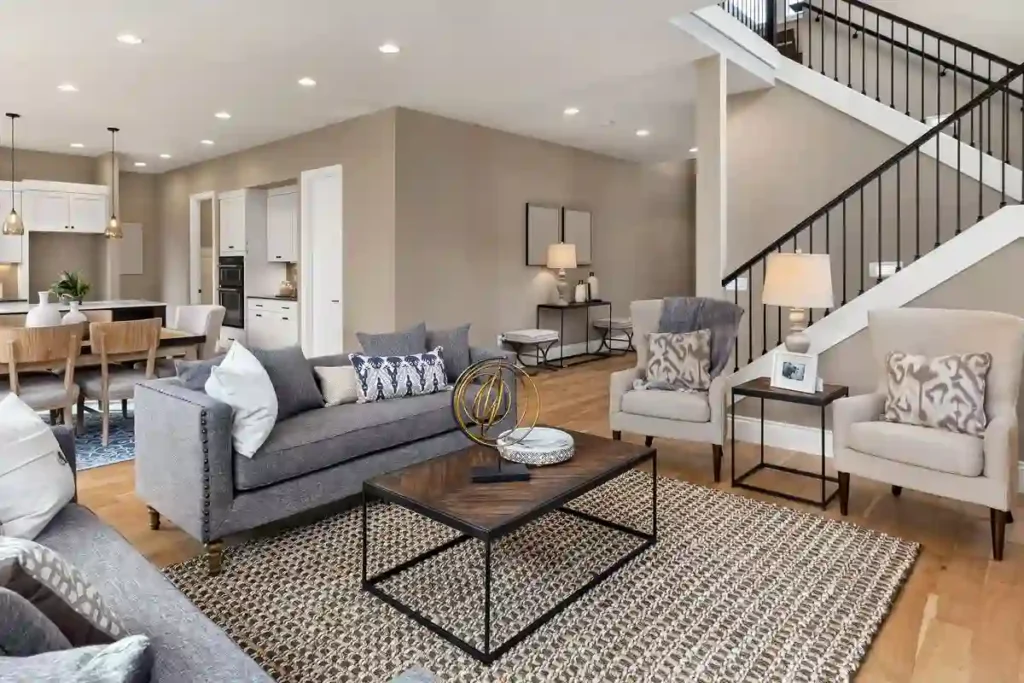
1- Open Floor Plans The open-concept layout is a popular choice for modern homes. This design removes walls separating the living, dining, and kitchen areas to create a spacious, airy environment. It’s perfect for families who enjoy a social, connected space, allowing for better interaction and more natural light.
2- Traditional Floor Plans A traditional home layout offers a more compartmentalized design, with clearly defined spaces for each activity. While it may not offer the same sense of spaciousness as an open floor plan, it provides distinct areas for privacy and can be ideal for families who prefer more separation between rooms.
3- Split-Level Homes Split-level layouts feature multiple levels within the home, typically with the living areas on one floor, sleeping areas on another, and possibly a lower level for a basement or garage. This design can be an excellent choice for maximizing space while maintaining a sense of separation between living spaces.
4- Single-Story Homes For those looking for simplicity and easy access, single-story homes are a great choice. These layouts are ideal for families with small children or elderly members, as there are no stairs to navigate. Additionally, these homes often allow for larger backyard spaces, which can be a bonus for families who enjoy outdoor activities.
5- Modern Townhome Designs If you’re looking for a more compact living solution, a townhome layout may be ideal. These homes are typically built with multiple floors and a smaller footprint, making them a great choice for urban environments or smaller plots of land. Townhomes often feature efficient layouts with plenty of space for families, despite their smaller size.
6- Custom Home Layouts For those with specific needs or a desire for a truly unique living space, custom layouts can be the perfect solution. Custom homes allow for full control over the design, from the number of bedrooms to the size of the kitchen. A custom home layout allows you to tailor every detail to match your lifestyle.
How to Match Your Home Layout to Your Needs
Choosing the best home layout requires careful consideration of how you use your space. Here’s how to make sure your home layout matches your specific lifestyle:
1- Consider Your Daily Routine Think about how you live day-to-day. Do you have young children who need easy access to the kitchen? Is a dedicated home office a priority? Do you prefer a separate, formal dining room? Your home layout should enhance your daily routine by positioning rooms for maximum convenience.
2- Entertaining and Social Spaces If you entertain often, an open kitchen and living area might suit your needs. These layouts allow for easy socializing while preparing meals. Alternatively, if you prefer a more intimate setting, a traditional layout with separate rooms might be more appropriate.
3- Storage Needs Don’t overlook storage when choosing your layout. A well-designed home layout includes ample closets, cabinets, and even hidden storage areas. Think about your storage requirements for everything from clothes to household items.
4- Privacy Considerations For larger families or multi-generational households, privacy can be a significant concern. Home layouts with bedrooms located on different levels or wings of the house can help ensure that everyone has their personal space.
5- Natural Light and Ventilation The placement of windows and the overall flow of the home can affect the amount of natural light and ventilation you get. A good home layout should maximize daylight while minimizing the need for artificial lighting.
6- Budget Considerations While the best home layout may include luxurious features, it’s essential to stay within your budget. Some layouts may require more significant structural changes, while others may involve less extensive remodeling. Choose a layout that aligns with your financial capacity while still meeting your family’s needs.
Best Home Layouts for Families
The ideal layout for families should prioritize comfort, functionality, and future flexibility. Here are some features to look for in a family-friendly home layout:
1- Multiple Bedrooms and Bathrooms Families often benefit from having multiple bedrooms and bathrooms. This ensures privacy and convenience for all members. Look for layouts that offer a master suite, as well as additional rooms for children or guests.
2- Dedicated Play Areas If you have children, a layout with designated playrooms or flexible spaces for toys and games can be invaluable. This helps keep living areas tidy while providing a safe space for children to play.
3- Open Spaces for Family Interaction A layout with open spaces encourages family interaction. A spacious living room and dining area will allow everyone to gather comfortably. You might also consider including a multi-purpose room for hobbies, games, or study time.
Right Home Layout Can Sell Your Home Faster
When planning to sell your home, the layout is one of the most important factors that can influence its appeal to potential buyers. A well-designed, functional layout can create a welcoming atmosphere, showcasing the space in the best light. Open, airy layouts with a good flow make rooms feel larger and more connected, which is something buyers often seek.
Proper room placement, privacy, and an intuitive layout can help potential buyers envision themselves living comfortably in the space. Homes with layouts that maximize natural light and offer efficient use of space are more likely to catch the eye of buyers and lead to a quicker sale.
The right layout can not only enhance the aesthetic value of your home but also make it more marketable, driving higher interest and ultimately leading to a faster transaction.